
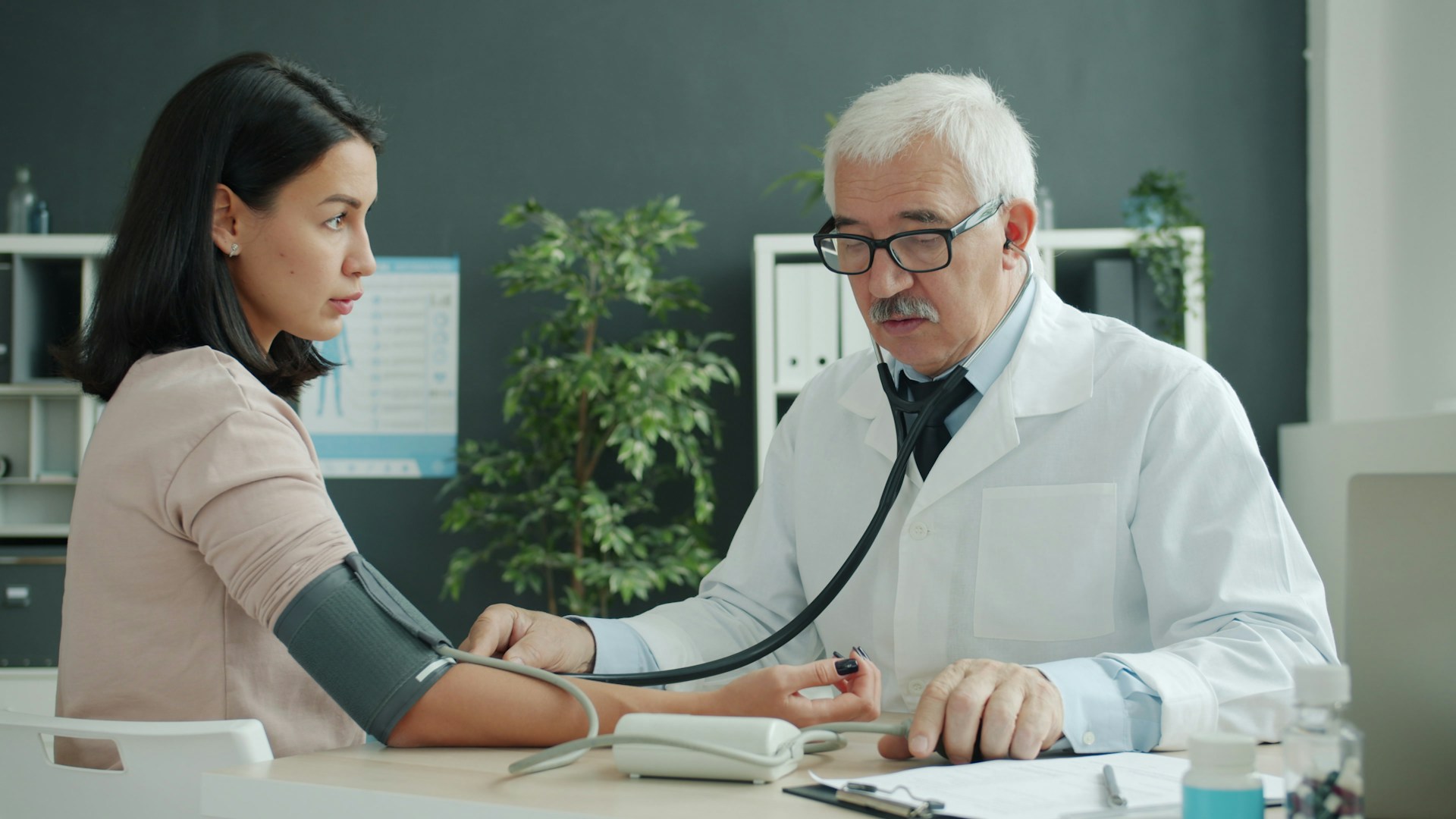
How Preventive Health Screenings Help Identify Potential Concerns Early
Preventive health screenings help people understand their health before noticeable symptoms appear. Many conditions develop gradually, making them difficult to recognize during everyday activities. High blood pressure, elevated blood sugar, and certain cancers may progress without clear warning signs. Regular screening appointments can help identify these concerns earlier, giving patients and healthcare professionals more time to discuss appropriate next steps. Rather than waiting until discomfort affects daily life, people can take a proactive approach to their well-being. Understanding how screenings work also makes it easier to choose suitable tests, interpret results, and build healthier habits over time.
Identifying Health Risks Before Symptoms Appear
One of the main benefits of preventive screening is its ability to detect possible health problems before symptoms become noticeable. Some conditions can remain hidden for months or years. A person may feel healthy while developing risk factors that require attention. Screening tests can measure blood pressure, cholesterol levels, and blood glucose, depending on individual needs. These measurements may reveal concerns that are not obvious during ordinary routines.
For example, high blood pressure often causes no clear symptoms, yet it can increase the risk of heart disease and stroke when left unmanaged. Early findings do not always mean someone has a disease. They indicate that further assessment may be needed. Healthcare professionals can explain the results and recommend suitable follow-up care. This process allows patients to make informed decisions instead of relying only on how they feel.
Understanding Which Screenings Are Appropriate
Not every person needs the …